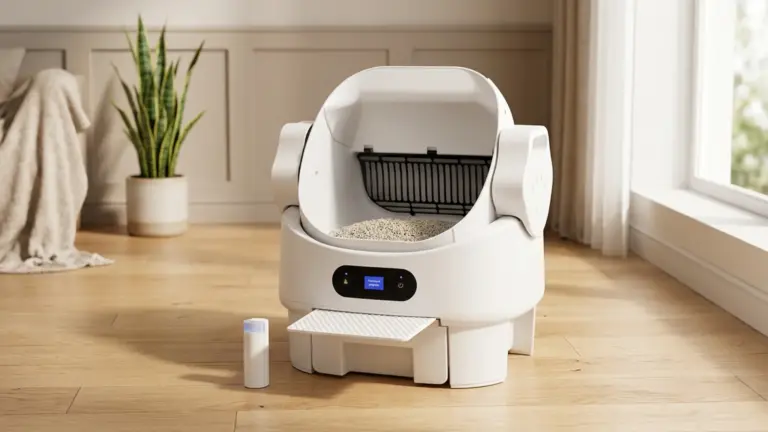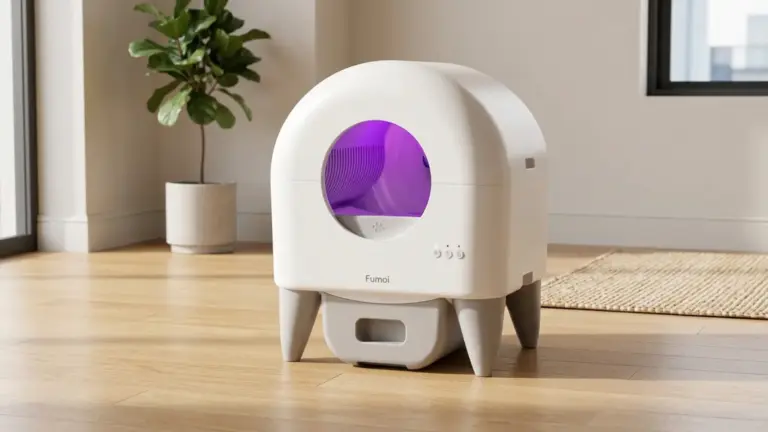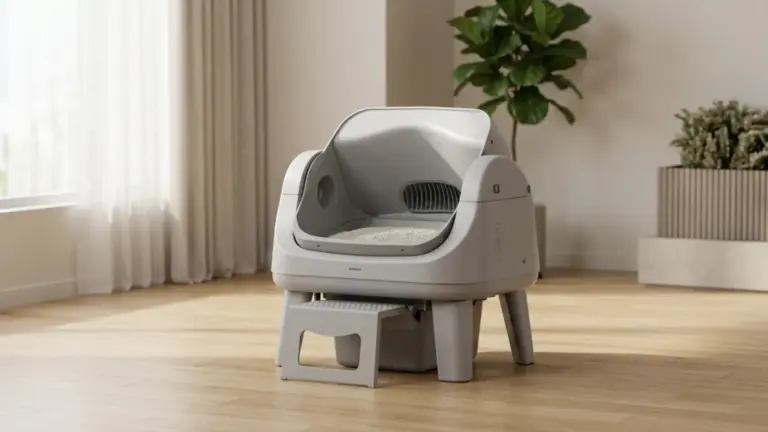

The otoging self-cleaning cat litter box delivers straightforward, low-maintenance pet care with an open-top design, quiet 32dB cleaning cycle, and a sizable 10L waste container. Operating entirely without WiFi or mobile apps, the listed specifications make it an ideal fit for owners who want a simple plug-and-play routine, though it lacks remote digital monitoring.
Disclosure: As an Amazon Associate, I earn from qualifying purchases. This means when you purchase through links on this page, I may earn a small commission at no extra cost to you.
otoging Open Top Self Cleaning Litter Box Review 2026
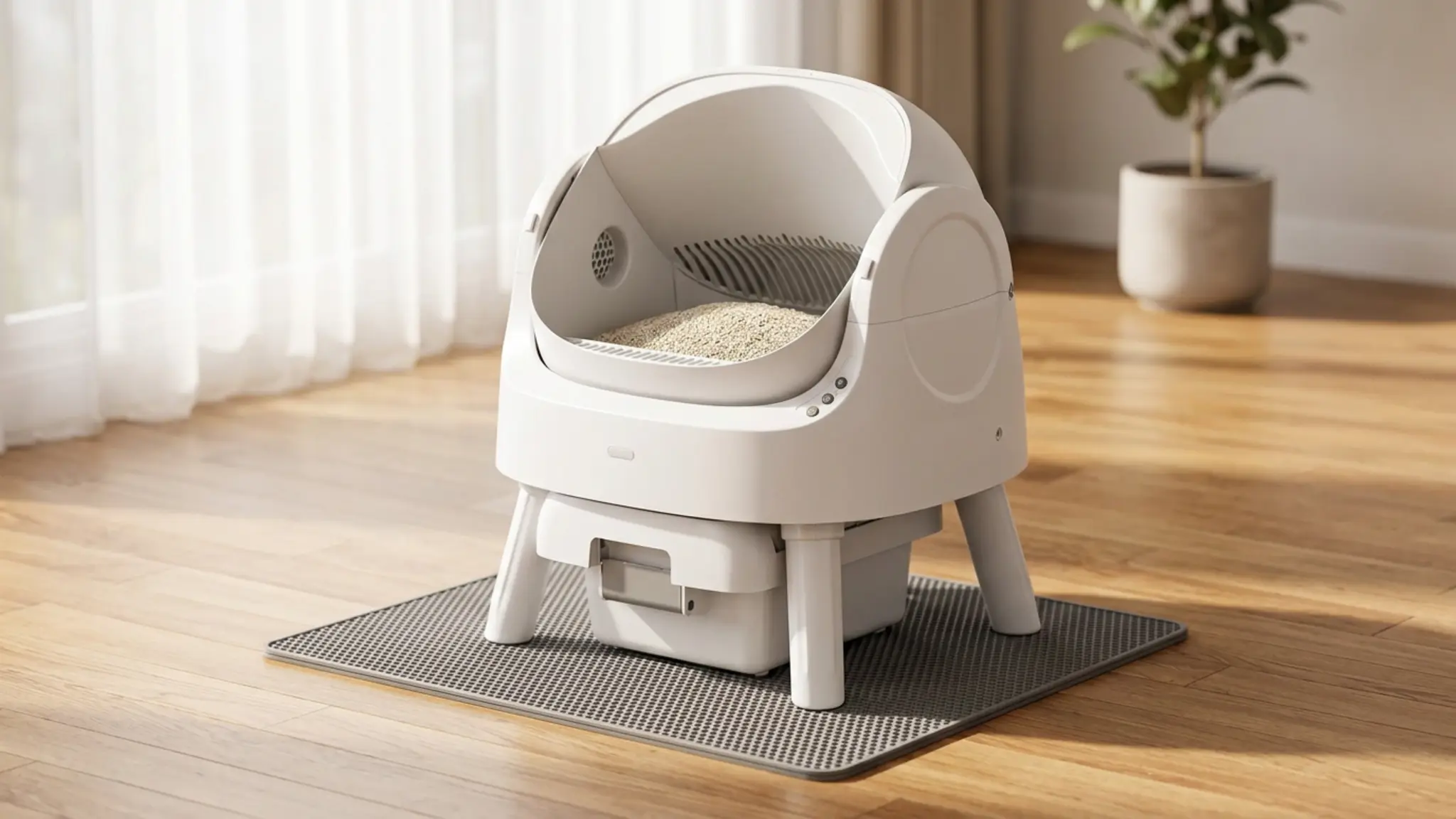
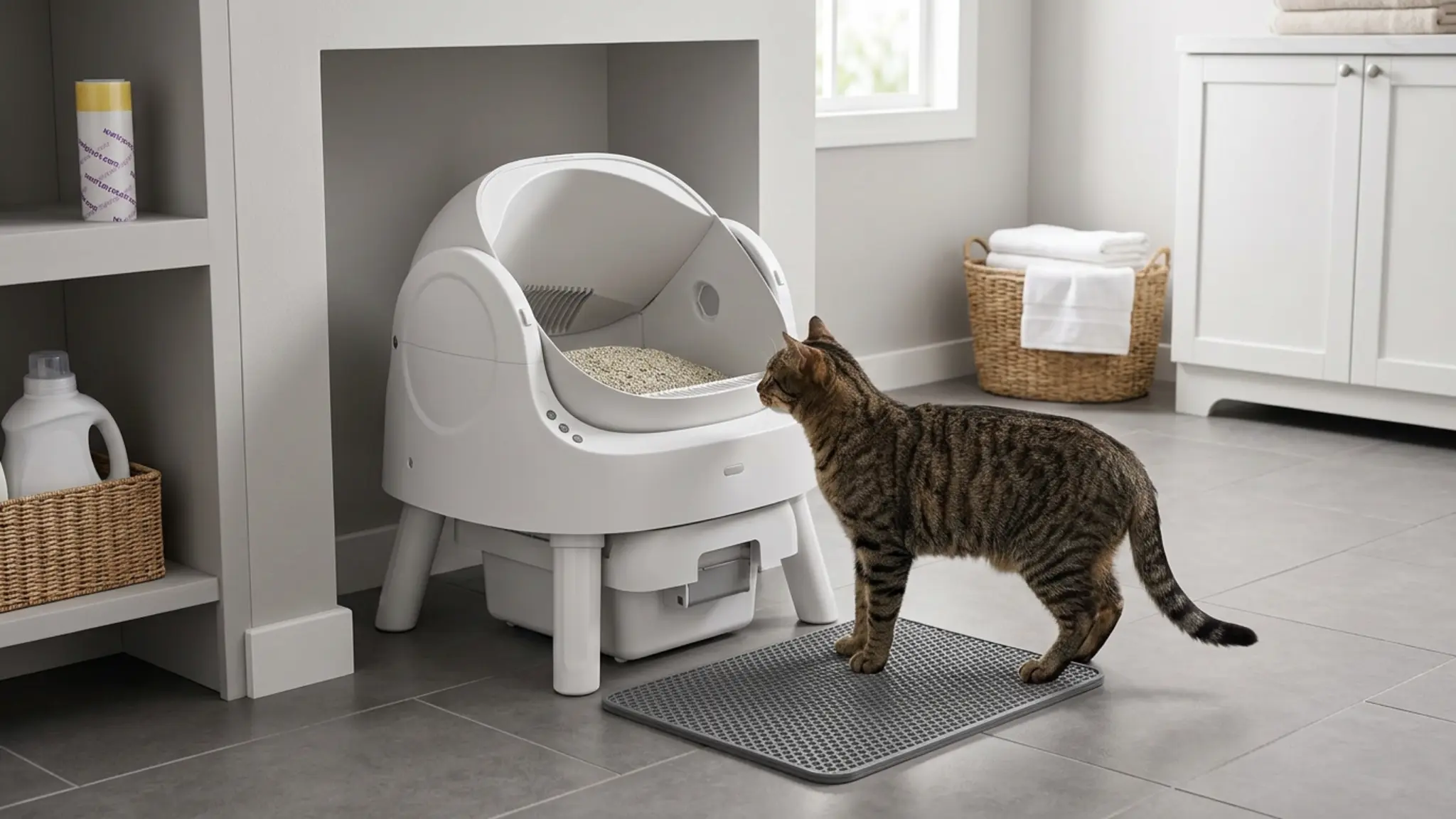
An Open Top Self Cleaning Litter Box offers an appealing alternative for cats that refuse to step inside dark, cramped automated waste cabinets. The otoging Self Cleaning Litter Box, Self Cleaning Cat Litter Box, Open-Top Design provides a straightforward, app-free approach for feline guardians who want automated waste separation without software glitches or Wi-Fi connectivity hurdles. Built from sturdy polypropylene, this model focuses on spacious entry, quiet cycling, and generous containment volume to simplify daily chores for 2026 buyers.
Many cats experience genuine hesitation when introduced to covered robotic boxes that restrict natural posture or line of sight. By keeping the upper basin completely open, this unit prioritizes feline behavioral comfort while still handling hands free scooping automatically. In this detailed review, we examine the documented specifications, functional benefits, and realistic trade-offs of this simplified cleaning appliance.
Table of Contents
Standout Features of the Open Top Self Cleaning Litter Box
- App-Free Plug-and-Play Design: Requires zero wireless pairing, account setups, or phone connectivity to run, letting you activate cleaning cycles with a simple button press.
- Generous Capacity: Accommodates up to 6 kg of litter inside the main basin and includes a 10 L waste drawer capacity designed to minimize bag emptying frequency.
- Ultra-Quiet Cycling Motor: Manufacturer specifications list an operational sound profile around 32 dB, ensuring quiet motor operation that will not startle timid pets.
- Rapid Three-Step Assembly: Arrives ready for rapid deployment by simply snapping on the stability legs, plugging in the wall adapter, and filling the chamber with litter.
Best For — and Who Should Skip It
This automated waste solution is a practical choice for guardians whose pets are historically fearful of enclosed spaces. Cats that exhibit enclosure aversion often avoid enclosed robotic domes, making this open basin structure much easier for them to approach naturally. For general guidelines regarding feline behavioral health and elimination preferences, the ASPCA feline care guidance offers helpful context on box accessibility.
It is also a strong option for busy pet parents who want hands-off cleaning without diagnosing Bluetooth pairing errors or mandatory app registrations. Households managing a multi cat household can benefit significantly from the 10-liter collection bin, which holds waste securely without demanding constant attention throughout busy workdays.
Conversely, shoppers seeking remote phone notifications, customized timing schedules, or integrated cat-weight tracking will want to skip this model. Because it deliberately avoids smart features, it cannot push mobile alerts when the collection drawer fills up. Cat owners whose pets aggressively kick litter in all directions may also find an open design permits more stray granules than fully domed alternatives.
Day-to-Day Performance Expectations
Based on listed features, this unit relies on mechanical sifting to cycle standard clumping clay litter smoothly into its sealed lower compartment. The spacious 21.25 by 20.21-inch footprint allows larger cats room to turn around comfortably, avoiding the cramped posture common in entry-level domes. For households prioritizing odor control, the enclosed 10-liter lower collection space isolates solid clumps beneath the primary pan between manual bag changes.
The reported 32 dB motor sound profile represents one of the quietest ratings in the entry-level automation space. In typical daily use, this low hum should avoid startling sensitive pets, even if the cleaning mechanism activates during the night near bedrooms. While infrared safety sensors are standard on many automated appliances, buyers should always monitor early cycles to observe how their specific pets engage with the automated motion.
Routine upkeep centers around refreshing the litter bed and removing the collection liner when full. The durable polypropylene construction simplifies sanitation, though pet owners should confirm easy disassembly for washing procedures before running heavy water over electronic housing. To keep the waste mechanism running smoothly, using dense, high-clumping substrate helps prevent soft clumps from breaking apart across the sifting grate.
How It Stacks Up Against Alternatives
When evaluated against automated competitors, the otoging model stands out primarily due to its non-intimidating form factor and lack of wireless complication. If you are comparing automated enclosures, the PETKIT PuraMax 2 automatic litter box delivers a fully enclosed smart setup with complete app tracking, but it requires a much larger financial investment and wireless configuration.
For buyers evaluating other streamlined options, reading our Coziley G1 self cleaning litter box analysis highlights how different cabinet configurations handle automated containment. Furthermore, prospective buyers reviewing competitive values in this segment can consult our Greesum self-cleaning litter box review to weigh distinct styling choices before committing to a purchase.
Where high-end robotic boxes often depend on reliable home Wi-Fi networks and branded accessory liners, the otoging platform offers bare-bones mechanical reliability. While it foregoes smart tracking metrics, it delivers the essential benefit of automated scooping at a significantly more accessible price point for budget-conscious guardians.
Common Buyer Questions
Does this unit require a Wi-Fi connection to operate?
No, the otoging machine operates entirely without internet access, smart apps, or wireless pairing. You simply plug the unit into a power outlet, push the power button, and let the mechanical cycle run automatically.
What kind of litter works best in this appliance?
Based on listed product specifications, standard quick-clumping clay litter provides the consistency required for the sifting mechanism to separate solid clumps from clean granules. Lightweight, non-clumping, or paper pellets are generally not suitable for automated rake systems.
How often do I need to empty the waste drawer?
With a substantial 10 L waste container, a single-cat home may only need to change the waste liner every 7 to 10 days. Multi-pet homes will naturally need to empty the collection drawer more frequently depending on usage.
Is the motor quiet enough for light sleepers?
The manufacturer lists an operational noise level around 32 dB, which is comparable to a soft whisper. In typical daily use, this quiet motor operation makes it practical for apartment living and quiet rooms.
For shoppers seeking automated convenience without app complications, choosing an Open Top Self Cleaning Litter Box provides a sensible balance of spacious feline comfort and dependable waste separation. The otoging model offers a practical choice in 2026 for pet parents prioritizing quiet operation, large waste containment, and instant setup over complex digital tracking.